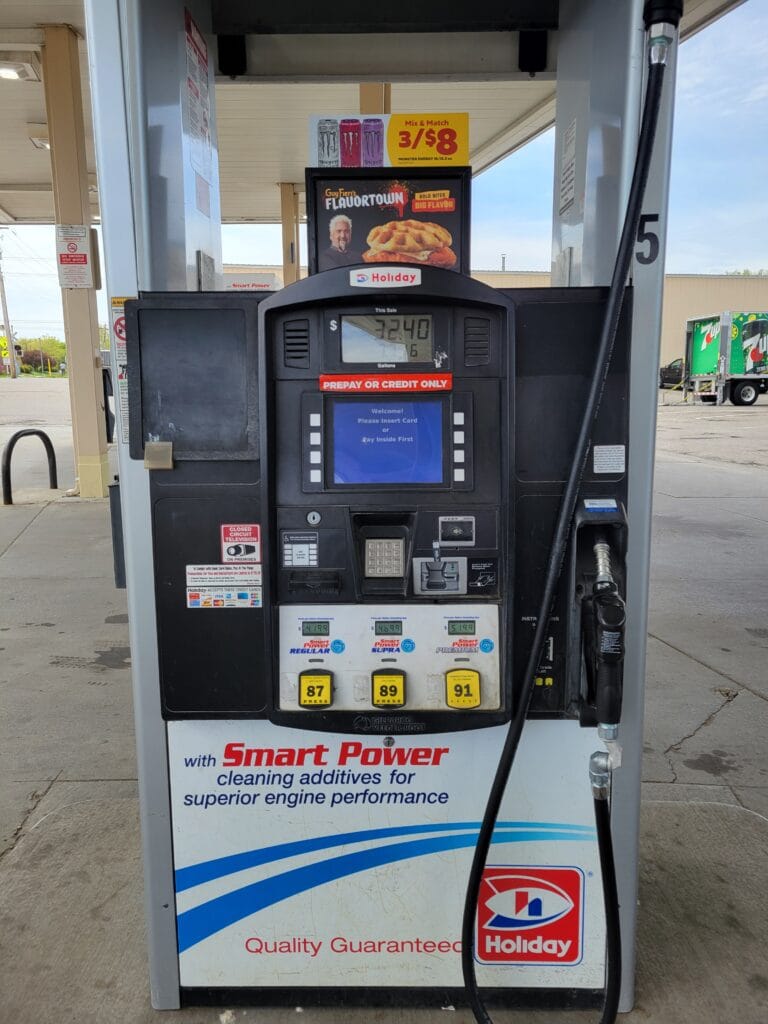
65 Years of Knowledge: The Oil Industry’s History of Climate Denial
“Those who cannot remember the past are condemned to repeat it.” — George Santayana
More than 65 years ago, physicist Edward Teller warned the industry about the climate harms of burning liquid fuel (Link). Yet, just a few years later, they ramped up lobbying against electric vehicles, claiming “clean-burning” internal combustion engines could match EVs’ air pollution benefits (Link).
They conveniently ignored the carbon dioxide emissions threatening our life-sustaining climate.
We must remember the science that preceded us: Joseph Fourier (1824): Described the atmospheric greenhouse effect. Svante Arrhenius (1896): Quantified the CO₂-warming relationship. Charles Keeling (1958): Started continuous CO₂ measurements at Mauna Loa. Manabe & Wetherald (1967): Built the first climate model. Charney Report (1979): Established the 1.5–4.5°C warming range. James Hansen (1981): Provided the first peer-reviewed assessment of observed warming. IPCC (1991) & NCA5 (2023): Global and national consensus on climate risks.
And we must remember the denial.
The oil industry’s public denial campaign began in 1980—decades before they publicly acknowledged the science (Link).
Today, this denial is exacerbated by the EPA’s 2026 elimination of the Endangerment Finding (Link), capping required MPG at 32 instead of the projected 50+ (Link). For 65 years, the industry has been telling us to ignore the science. Today, regulators are trying to do the same. But we have a choice: repeat the mistakes of the past or seize the tools of the present.
Do we ignore the micro-economic hits (e.g., rising insurance costs) and macro-economic catastrophes and human suffering (e.g., water shortages, mass migration)? Or do we embrace the GHG-reducing solutions?
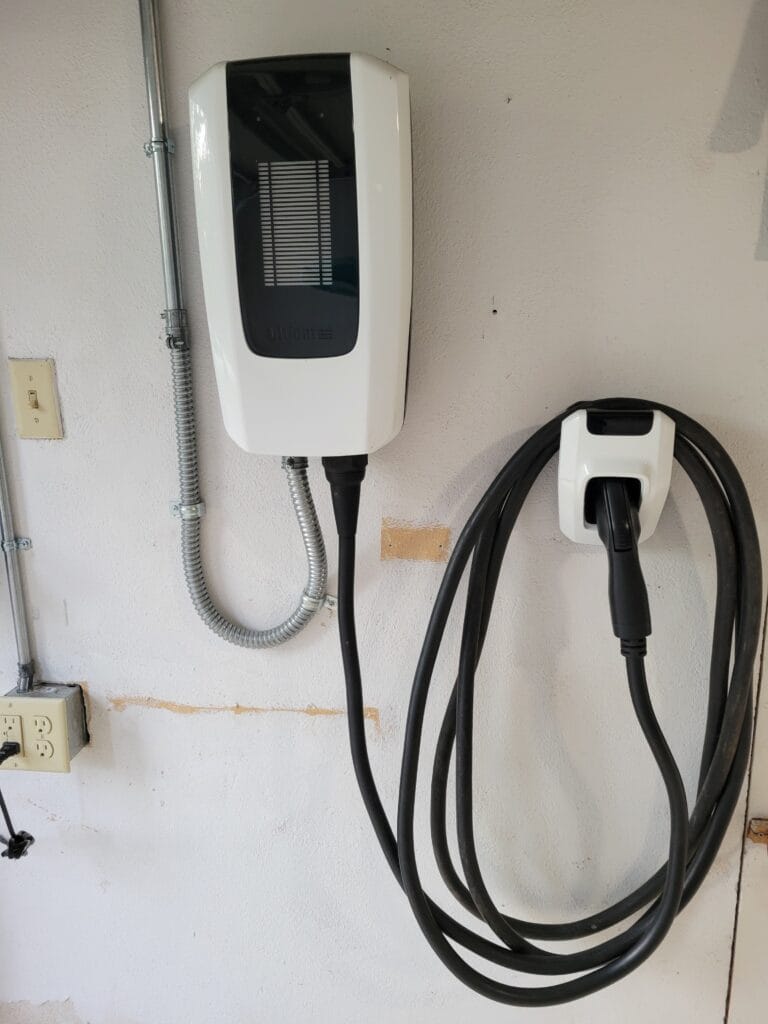
My 5-passenger EV is proof that the future is already here. With ample cargo space, a fun driving experience, and efficiency of 4.3 miles per kWh, a 100-mile trip costs just $3.05.
The technology is ready. The economics are undeniable. Let’s choose “what can be.”
Will you join the shift? If you’re ready to make the change, check your local utility for current rebates, calculate your savings, or simply start by researching the EV models that fit your life. The road ahead is clear.
OR